Detroit trucks log serious miles on I-75 corridor. Parts fatigue, systems overheat, and breakdowns happen at the worst times. We get to your location in Metro Detroit and fix it on-site.
Foundation Brake Repair in Detroit
Detroit moves freight through plants, suppliers, warehouses, and border-connected lanes all day. When a truck fails near I-94, I-75, or a loading area tied to Dearborn plants, downtime turns expensive fast. Our foundation brake repair in detroit service is mobile, so we come to the truck and work the problem where it sits. Call 313-488-4105 and we can dispatch across Metro Detroit.
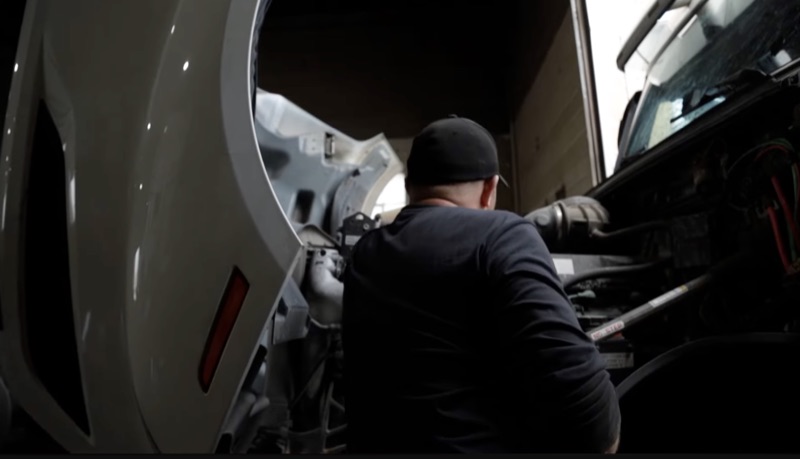
Foundation brake issues on heavy trucks rarely come down to one worn part. We inspect shoes, drums, pads, rotors, chambers, slack adjusters, valves, air lines, seals, and hardware because weak braking often starts with air loss, contamination, or poor adjustment. If the truck is pulling, dragging, smoking a wheel end, or taking too much pedal travel, we isolate the axle causing it and fix the parts that are actually worn.
Why these failures happen so often in Metro Detroit
Detroit routes combine heavy traffic, rough pavement, long idle periods, cold starts, and constant plant schedule pressure. Around Romulus freight yards and the corridors feeding Warren industrial corridors, trucks get pushed hard and minor wear gets ignored until it turns into a no-go issue. We see the same pattern over and over. A hose starts sweating. A wire rubs through. A chamber leaks slowly. A battery cable builds resistance. Then the truck lands on the shoulder or misses a loading window.
That is why diagnosis matters. We test the complaint, inspect the connected hardware, and look for the repeat-failure parts around the obvious problem. A low-voltage complaint might really be bad grounds. Uneven braking can start at the axle, the air side, or a contaminated wheel end. A drivetrain complaint may be fluid, linkage, sensors, or hard-part wear. We sort that out before we start replacing parts.
How the repair visit works
We start by getting the driver report, active warnings, and anything that changed before the breakdown. Then we inspect the truck where it is parked and test the affected system. If parts are needed, we identify them correctly by VIN, engine, axle, or trailer setup. That cuts down delays and keeps the repair matched to the truck instead of close enough.
Most mobile service calls involve replacing failed components, cleaning and tightening connections, checking pressure or voltage, correcting adjustment, and inspecting surrounding wear that could bring the truck back down on the next run. If a second issue is close to failing, we tell you while the truck is still down so you can make the call once.
Common parts we replace
- Direct wear items related to the complaint, including belts, hoses, filters, pads, shoes, drums, rotors, chambers, sensors, lights, and tires
- Supporting hardware that causes repeat failures, such as clamps, fittings, relays, pigtails, connectors, valves, seals, and mounting hardware
- Related parts that test bad during diagnosis, including batteries, alternators, starters, bearings, hubs, switches, and slack adjusters
- Trailer-side parts when the issue crosses over, including ABS leads, gladhands, lamp assemblies, airlines, hinges, and landing gear components
Why local plant and yard knowledge matters
Detroit is not just another truck market. Freight here is tied to manufacturing schedules. Missing a plant window or yard cut can ripple through the whole day. A mechanic who knows the local traffic and industrial access points can plan better and get the truck handled with less confusion. We know how these calls actually work around Detroit, and that helps keep the process tighter for drivers and fleet contacts.
We also know fleet managers need useful reporting, not vague updates. We can tell you what failed, what was tested, what got replaced, and what should be scheduled next. That helps with maintenance planning and deciding whether the unit should go back to route work or into a shop for larger repairs.
Take care of related work while the truck is already down
When we are already there for foundation brake repair in detroit, it often makes sense to inspect the next common trouble spots before the truck heads back into service. Customers often pair this work with Mobile Diesel Powertrain and Fuel System Service in Detroit, Foundation Brake Repair in Detroit, or Mobile Trailer Repair in Detroit. That can save another service interruption and another dispatch fee.
If you need a mechanic now, call 313-488-4105. We handle on-site truck service across Detroit, and we can usually tell you what information helps us triage the truck before we arrive.
Want the repair explained in plain terms so your office knows what happened? We can do that too. Clear diagnosis, parts replaced, and next-step notes make a big difference when several trucks are moving through the same lanes every day.
More Detroit truck services
- Mobile Diesel Powertrain and Fuel System Service in Detroit
- Mobile Trailer Repair in Detroit
- Truck Tire Service in Detroit
Foundation Brake Repair in Detroit for On-Site Truck Repair of Detroit trucks and trailers
On-Site Truck Repair of Detroit handles foundation brake repair in detroit for commercial trucks, trailers, box trucks, work trucks, and fleet equipment across the On-Site Truck Repair of Detroit area. The goal is to identify what can be repaired safely on site, what needs parts support, and whether the truck can continue operating without creating a larger roadside problem.
What this service call usually includes
Service begins with location, access, safety, and symptom details. A driver or fleet manager should be ready to describe warning lights, recent repairs, leaks, air loss, brake behavior, tire damage, electrical faults, cooling symptoms, trailer connection issues, or no-start conditions.
Mobile repair situations we see often
- Breakdowns at customer docks, yards, job sites, terminals, and highway shoulders.
- Fleet trucks that need practical on-site checks before the next route.
- Trailer lighting, brake, air, door, landing gear, and suspension concerns.
- Diesel, charging, cooling, tire, and electrical problems that need field diagnosis.
- Follow-up repairs after a driver notices a recurring fault or unsafe condition.
Helpful information before dispatch
Provide the exact truck location, unit and trailer numbers, whether the vehicle is loaded, gate codes, available working space, and any photos or fault-code information. Clear details help the mobile technician arrive prepared and keep the service call focused.