Diesel and no-start service
Scanner-first diagnostics, cranking and fuel tests, honest verdicts. Winter no-starts are a local specialty by necessity.
Detroit freight carries the busiest land border crossing on the continent on its back, plus the supply chains of an industry that invented just-in-time and never apologized for it. A truck that dies here is not late, it is holding up a production line somewhere. On-Site Truck Repair of Detroit answers that pressure the practical way: the repair drives to the truck, at the yard, the dock, or the staging lots where border traffic breathes.
Diesel diagnostics, air and brakes, trailers, electrical, tires, and scheduled fleet work, with a phone that answers like the three-shift town this still is.
Look at the truck, read the dash, and take the photo. Then give us:
Scanner-first diagnostics, cranking and fuel tests, honest verdicts. Winter no-starts are a local specialty by necessity.
Chambers, valves, lines, adjusters, ABS lights. Stop-and-go corridors wear brakes fast and we set them right at the truck.
Lights, plugs, air, doors, landing gear. Supplier-dock trailers fixed between appointments, where they sit.
Salt-belt circuit work: grounds chased, corrosion cut out, charging systems verified under load.
Pothole casualties and heat failures changed out at the truck, duals checked as pairs, torque to spec.
Scheduled rounds timed to production calendars, winterization in fall, corrosion checks in spring.
Tell us the symptom, the location, the load, and whether the truck moves safely. You get our best read on the fault, a plain answer on whether the lot or a bay fixes it, and a window that respects what Detroit roads are doing right now. Dash photos and fault codes shorten every step.
Winter adds the cold questions: sitting time, plug-in status, fuel treatment. From December through March those answers decide half the parts we load, because this city's cold does not negotiate.
I-75 north and south, I-94 east and west, I-96 feeding the west side, and the truck routes that braid them together through Downriver, Dearborn, and the east side industrial belts. Add the bridge and crossing traffic with its staging yards, and the auto supplier parks where a dock appointment missed is a line-down phone call, and you have our working territory.
We plan repairs around Detroit specifics: which yards have room, which supplier docks run appointment-tight, and which stretches of 75 you do not want to stand beside at 5 p.m. Local knowledge is half of mobile repair, and ours is current.
Auto-supply logistics punishes downtime like no other freight, so our fleet accounts are built around prevention: scheduled yard rounds, written unit records, and early warnings when a truck starts trending the wrong direction. When the emergency happens anyway, the verdict comes dispatcher-grade: released, flagged, or bay-bound with the diagnostic attached.
Owner-operators hauling crossing freight get the same treatment. One truck operations have the least slack, so the honesty matters most there.
Yes, and we treat those calls as clock-driven. Tell us the yard and your appointment window and we triage accordingly. If the window cannot be made, you hear that immediately so dispatch can replan the slot.
Depends on the shoulder and the hour. Where a technician can stand safely, we work. Where they cannot, we help arrange the short move first. Nobody fixes anything from underneath a truck in live traffic.
Routinely. Liftgates, lights, air leaks, and door hardware are the usual suspects, and most are same-visit fixes. We know what those docks reject and we carry for it.
Stop cranking, tell us what the dash showed, and let us bring the right stock. Batteries, gelled fuel, and frozen air systems cover most of it, and all three fix faster when a starter has not been cooked first.
Yes. Detroit's delivery fleets take the same salt and potholes the big rigs do, with smaller margins for downtime. Same number, same triage.
Three-shift town, three-shift phone. The triage does not change at 3 a.m., only the traffic does, and honestly it improves.
Yes. When the seasonal weight restrictions land, routes change and so do the stress points on equipment. We help fleets time their spring inspections to the restriction calendar so the trucks are ready when the full loads come back.
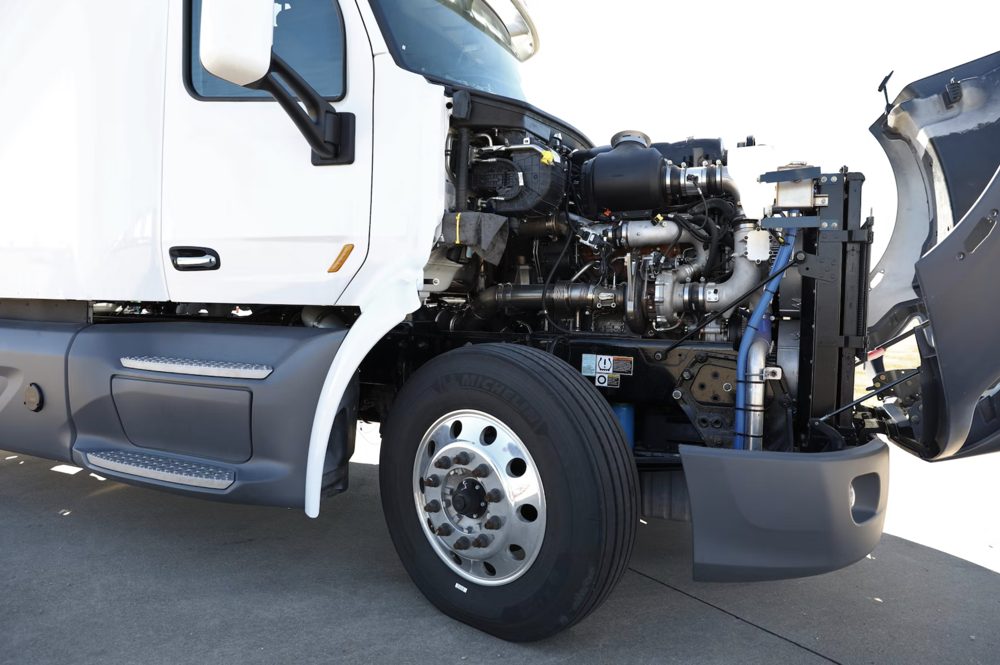
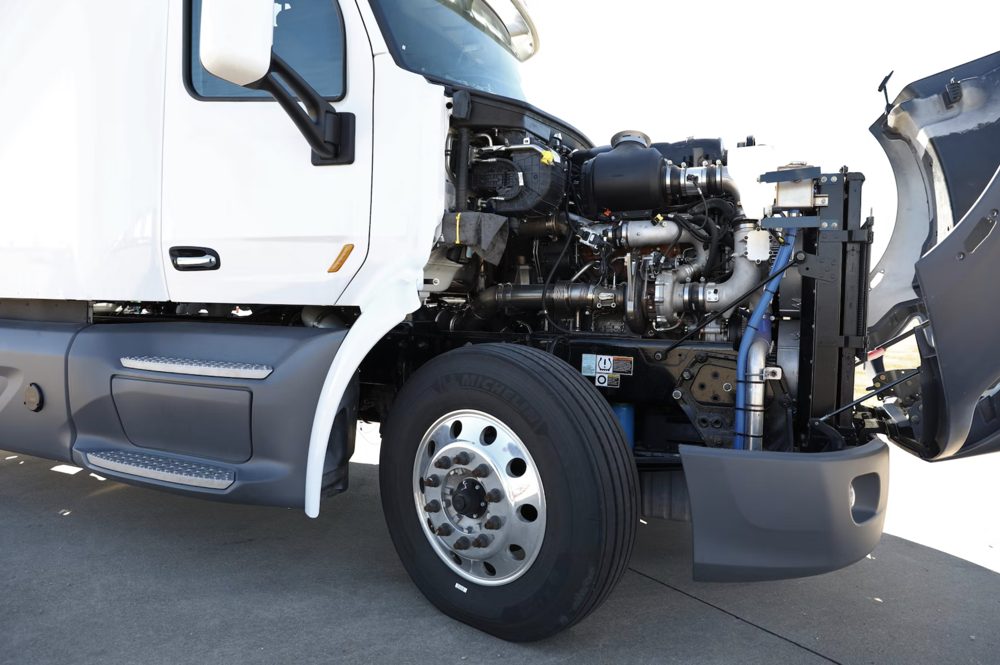
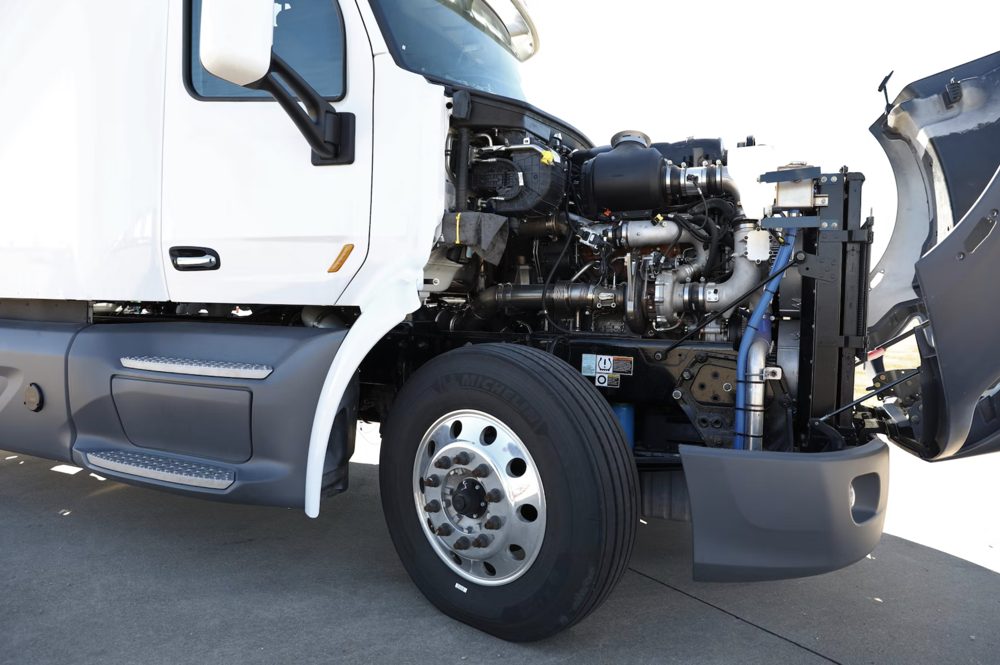
Salt, freeze, thaw, repeat. Michigan winters corrode harnesses and brake hardware with industrial efficiency, and the potholes of a Detroit spring finish whatever the salt started. Our electrical calls start at the grounds and connectors because that is where this state hides its faults, and our spring inspections pay special attention to what winter loosened.
The border adds its own physics. Crossing queues idle engines for hours, which cooks marginal cooling systems and drains weak batteries, and staging yards fill with trucks that must be perfect before a customs appointment. We work those yards with the queue clock in mind, because in this town a missed crossing slot rolls downhill onto a production floor.
Every Detroit spring, the roads present their invoice. Blown tires, bent rims, shock mounts, and the steering components that quietly absorbed a winter of impacts. We read that ledger for fleets in a single yard visit: tires gauged, front ends checked, and the loosened hardware caught while it is still a wrench job instead of a wrecker job. It is the cheapest hour a Michigan fleet buys all year, and we schedule it the week the frost laws lift.
Solo drivers get the same sweep on request. One truck, one hour, one list of what winter actually did. No drama, no upsell, just the ledger read out loud.
This town understands machines better than anywhere on earth, and it still loses truck-days to shop queues like everywhere else. The bottleneck is not knowledge, it is geometry: the trucks work at docks and yards scattered across a huge metro, and the bays sit where the bays sit. Mobile repair collapses that distance. The wrench travels at car speed while the freight keeps its appointment, which in a just-in-time region is the whole economic argument in one sentence.
International loads add paperwork pressure to mechanical problems: a truck that misses a customs appointment does not just reschedule, it re-queues behind everyone else's paperwork too. When a crossing-bound truck calls us, the appointment time becomes part of the diagnosis. Sometimes the right repair is the complete one; sometimes it is the safe-and-legal minimum that makes the slot, with the full job booked for the return leg. We lay out both and let dispatch choose with real information.
Every fleet here knows the two seasons that hurt: the first hard freeze and the spring pothole bloom. We sell the boring answer to both. Fall winterization sweeps catch the batteries, dryers, and coolant that January would otherwise collect. Spring inspections catch what the freeze-thaw loosened before it falls off at speed. Fleets that run both sweeps meet us almost exclusively in parking lots, which is the entire point.
Just-in-time logistics means a trailer with dead marker lights is not a maintenance item, it is a production risk with a countdown attached. We fix that class of problem where it stands, document what was done, and get the equipment back into the appointment flow with minimum drama. It is unglamorous work with expensive consequences, which is exactly the kind worth doing right.
Location, symptom, load. That is the whole intake. You get a verdict, a window, and a technician moving through Motor City traffic on your behalf.